
Medical bills are one of the biggest sources of stress after an accident, and for many Americans, that stress doesn’t go away easily. According to research, in 2024, 36% of U.S. households had medical debt, 21% had a past-due medical bill, and 23% were paying a medical bill over time.
When your injury case reaches settlement, those bills don’t simply disappear, which is why understanding what happens to medical bills at settlement and how medical bills are paid, negotiated, or reduced is so important.
Does a Settlement Automatically Pay All Medical Bills?
It’s common to believe that settling a case means medical bills are no longer an issue. After all, the settlement is supposed to cover your injuries. However, medical bills don’t automatically vanish just because a case resolves.
Instead, certain providers and insurers may still have legal rights to be paid from your settlement, which is why knowing what to expect ahead of time matters.
Where Your Settlement Money Actually Goes First

Many people picture receiving one large settlement check that they can immediately use. However, settlement funds usually follow a specific order before any money reaches you. Understanding this order helps set realistic expectations.
- Settlement funds often go toward the following, though the order may vary by case:
- Attorney’s fees and case costs
- Unpaid medical bills, including medical liens tied to the settlement and health insurance reimbursement
- The remaining amount paid to you
Knowing this process upfront helps prevent confusion when the final numbers are calculated.
Do Medical Bills Come Out of Your Settlement Check?
This is one of the most common and most stressful questions injury victims ask. Many people wonder, do I have to pay medical bills out of my settlement? In most cases, the answer is yes, medical bills are paid from the settlement rather than erased by it.
Being aware of these differences can help reduce surprises and safeguard your recovery.
-
What Happens When Your Health Insurance Covers Your Treatment
Many accident victims use their health insurance to get medical care right away. This can be helpful because it reduces immediate out-of-pocket costs and ensures treatment isn’t delayed. However, it doesn’t always mean the insurance company absorbs the full cost.
In many cases, health insurance companies have the right to request reimbursement from your settlement through health insurance subrogation in a personal injury case, meaning part of your settlement may go toward repaying the insurer.
-
When Medical Providers Treat You on a Medical Lien
Some doctors and medical facilities agree to treat injury victims without requiring upfront payment. Instead, they place a medical lien on the case and wait to be paid once the settlement is resolved. This option allows you to receive care even if you can’t afford it at the time.
A medical lien is a legal agreement that gives a provider the right to be paid directly from your settlement before you receive your share. These medical liens in a settlement can be helpful, but they must be handled carefully.
Lien amounts may be higher than insurance-adjusted rates, which is why reviewing and addressing them before settlement funds are finalized can be important.
-
When You Pay Medical Costs Out of Pocket
Out-of-pocket expenses are common after an accident, especially early on. These costs may include co-pays, deductibles, prescription expenses, or even full medical bills paid upfront. Many people don’t realize these payments can be part of their injury claim.
When documented properly, out-of-pocket medical costs are usually recoverable as part of your settlement. Making sure these expenses are accounted for helps ensure you aren’t left paying for someone else’s negligence.
Why These Payment Methods Affect Your Settlement Differently
Each way of paying for medical care affects your settlement in a different way. Insurance reimbursement, medical liens, and out-of-pocket expenses all come with their own rules and risks. Overlooking even one of them can reduce your final recovery.
That’s why reviewing every medical bill, lien, and insurance claim before settling is critical. A careful review with a personal injury attorney helps prevent unexpected deductions and ensures your settlement truly reflects what you’ve been through.
Your Options for Handling Medical Balances at Settlement
By the time a personal injury case settles, there are often medical bills from multiple providers that need to be resolved. Many injury victims worry they’ll be responsible for managing these bills themselves. In reality, this is typically handled by your personal injury attorney as part of the settlement process.
- Depending on the case, your attorney may handle medical balances by:
- Paying medical providers directly from settlement funds, so bills are resolved before you receive your portion
- Addressing medical liens as part of the settlement, rather than leaving them for you to deal with later
- Responding to health insurance reimbursement claims, if your insurer paid for treatment
- Making sure out-of-pocket medical expenses, such as co-pays or deductibles, are included in the settlement
Understanding your options early helps you avoid rushed decisions and gives you more control over your final recovery.
When Medical Bill Reductions May Be Possible
Many people assume medical bills are final once treatment ends, but that isn’t always the case. After settlement, some providers or insurance companies may be open to adjustments, including negotiating medical liens after settlement, which can affect the final amount you receive.
- Medical bills may be reviewed or adjusted in certain situations, such as:
- The settlement amount is limited, and full payment would leave you with little or nothing
- Liability is disputed, creating uncertainty about recovery
- Treatment was delayed or interrupted, affecting the total billed amount
Addressing medical bills and reimbursement claims often involves experience and careful timing. When handled appropriately, this process may help avoid unnecessary overpayment and support a settlement that more accurately reflects your losses.
What Happens If Your Medical Bills Are More Than Your Settlement?
It’s one of the most stressful questions injury victims face: what if the settlement isn’t enough to cover all the medical bills? Many people assume this means they’ll automatically owe the difference out of pocket. In reality, this situation happens more often than you might expect, and there may be ways to address it.
- Depending on the circumstances:
- Medical providers may agree to reduce their bills
- Medical liens can sometimes be negotiated down
- Legal options may help manage or reduce any remaining balance.
This is also why settling before treatment is complete can be risky and costly.
How a Personal Injury Lawyer Helps You Keep More of Your Settlement
A personal injury lawyer does more than prove fault or negotiate with insurance companies. One of the most important, but often overlooked, roles is managing medical bills so they don’t unnecessarily reduce your recovery. Without experienced guidance, many injury victims unknowingly agree to pay more than they legally have to.
- An experienced personal injury lawyer helps by:
- Identifying medical liens early so there are no surprises when the case settles
- Coordinating with health insurance companies regarding reimbursement and subrogation claims
- Reviewing and negotiating medical bills and lien amounts, when appropriate
- Making sure out-of-pocket medical expenses, such as co-pays and deductibles, are included in the settlement
- Challenging improper, excessive, or unsupported charges, when applicable
These efforts play an important role in protecting the overall value of a settlement.
Stressed About Medical Bills After an Accident? Let’s Talk

If questions about medical bills or liens are causing stress as your case moves toward settlement, you’re not alone. Many injury victims feel uncertain about what they’ll actually owe and what will be handled for them. Getting clear answers before you settle can help you move forward with confidence and avoid unnecessary surprises.
At El Dabe Ritter Trial Lawyers, we help clients understand exactly where their settlement money goes and fight to protect as much of it as possible. Your consultation is free, and you pay nothing unless we win, so before you settle, let’s make sure your medical bills are handled the right way.
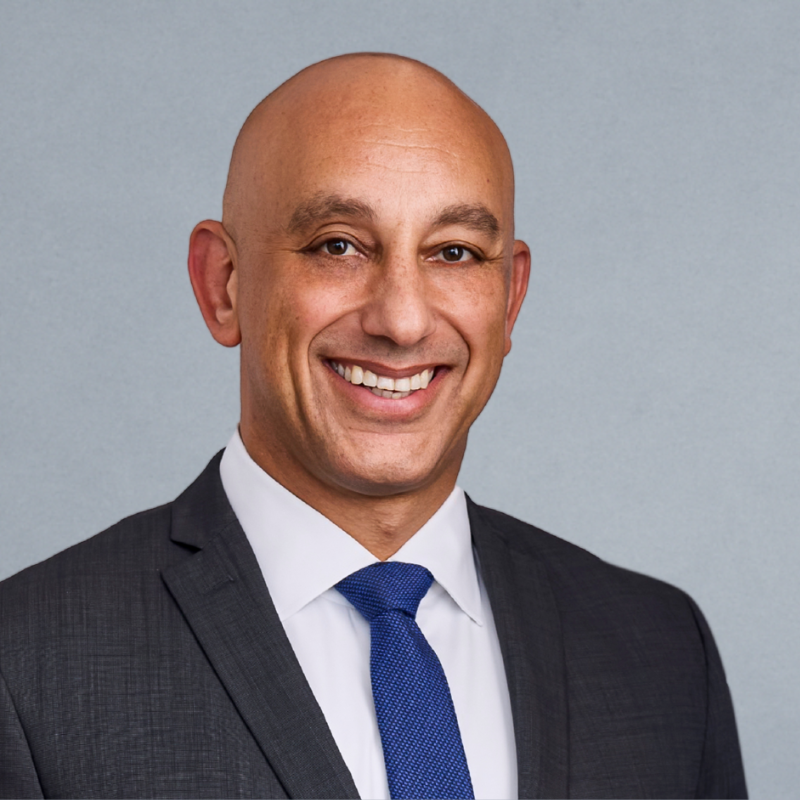
SHERIF EDMOND EL DABE
Founder / Partner / Attorney
Sherif Edmond El Dabe, founding partner of El Dabe Ritter Trial Lawyers in Los Angeles and Huntington Beach, is a seasoned trial attorney focused on catastrophic injury, wrongful death, and insurance bad faith cases. He has recovered over $500 million for clients and spoken at leading legal conferences, including CAALA and TBI Med Legal.
Disclaimer: The information provided in this blog post is not intended as legal advice and should not be relied upon as such. You should consult with an experienced attorney for advice on your specific situation.