
Key Takeaways
- Rain-related car accidents increase in Los Angeles due to slick roads and reduced visibility, raising safety and legal concerns.
- In California, injured individuals have a two-year statute of limitations to file car accident claims from the date of the accident.
- Rain or bad weather does not extend the legal filing deadline, and delays can jeopardize valid claims.
- Common injuries like neck pain or concussions may appear days after a crash, but the legal deadline still begins on the accident date.
- Documentation and early legal clarification are crucial after a rain-related crash to protect your rights and navigate complex insurance issues.
Table of contents
- Did Car Accidents Increase in Los Angeles After the Recent Rainstorm?
- How Long Do You Have to File a Car Accident Claim in California?
- Does Rain or Bad Weather Change the Legal Deadline?
- Why People Injured in Rain-Related Crashes Often Wait Too Long
- What Happens If You Miss the Statute of Limitations in Los Angeles?
- Injuries That Commonly Appear Days or Weeks After a Rain-Related Car Accident
- What to Do After a Rain-Related Car Accident in Los Angeles
- When to Speak With a Los Angeles Car Accident Lawyer After a Rain Crash
- Why Los Angeles Rain-Related Car Accidents Can Be Legally Complicated
- Frequently Asked Questions About Rain-Related Car Accidents in Los Angeles
After recent rainstorms moved through Los Angeles, drivers across the region experienced hazardous road conditions that led to an increase in car accidents.
Slick roads, reduced visibility, and sudden braking can turn into serious collisions, especially in heavy Los Angeles traffic.
What many people don’t realize is that rain-related crashes raise safety concerns and create legal risks. In California, strict deadlines apply to car accident claims, and waiting too long after a rain-related crash can cost an injured person their right to seek compensation.
This article explains how long you have to file a claim, why delays are common after rain-related accidents, and what steps can help protect your rights.
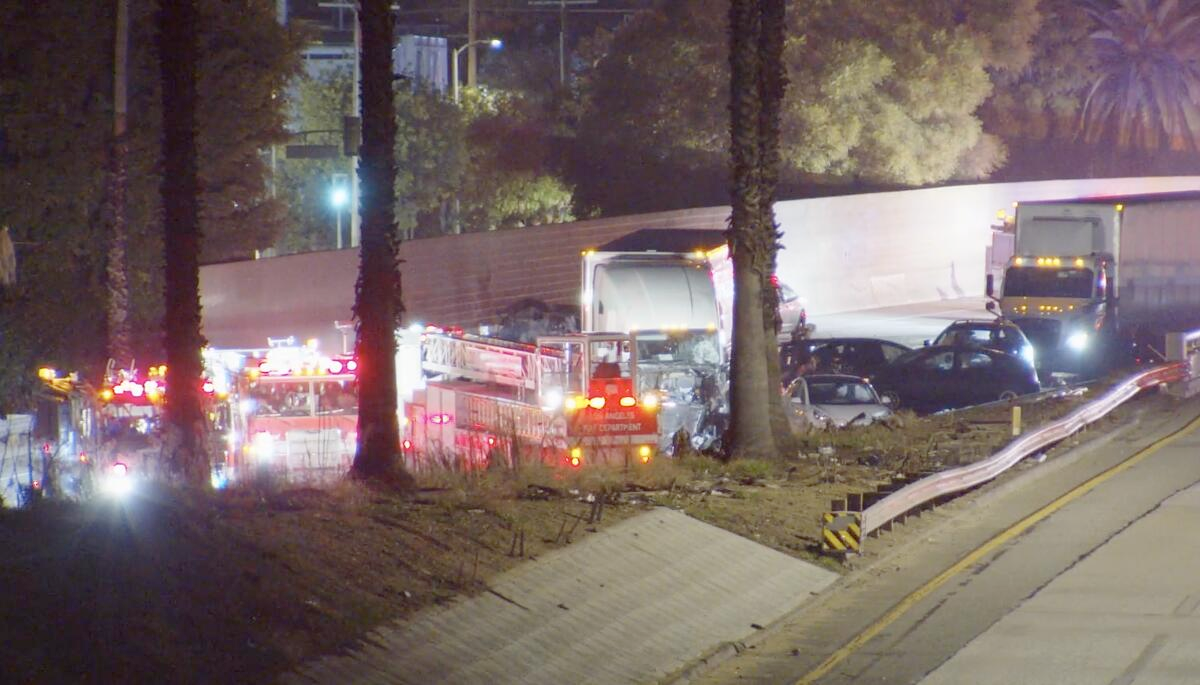
Image Credit: LA Times
Did Car Accidents Increase in Los Angeles After the Recent Rainstorm?
After a rainstorm moved through Los Angeles county around Christmas Eve, the LAPD responded to over 350 traffic collisions.
Many drivers experienced conditions that significantly increase crash risk. Wet road surfaces reduce tire traction, visibility drops, and stopping distances grow longer, especially on busy freeways and surface streets common throughout Los Angeles.
Even light rain can create hazardous conditions when oil and debris rise to the surface, making roads slick. In a region where many drivers are not accustomed to frequent rain, sudden storms often catch people off guard. As a result, rain-related car accidents tend to involve rear-end collisions, multi-vehicle crashes, and loss-of-control incidents, particularly during peak traffic hours.
Recommended Reading: How Window Tint Can Affect Visibility and Accident Risk in California
How Long Do You Have to File a Car Accident Claim in California?
In California, most car accident injury claims are governed by a two-year statute of limitations. This means an injured person generally has two years from the date of the accident to file a personal injury lawsuit.
For crashes that happen in Los Angeles, the rule is the same regardless of where the accident occurred. If a lawsuit is not filed within this two-year window, courts typically dismiss the case. Furthermore, the injured person may permanently lose the right to pursue compensation for medical bills, lost income, and other damages.
Importantly, this deadline begins running on the date of the crash itself, not when injuries are diagnosed or when insurance negotiations break down.
However, if the accident involved a government entity, the deadline is much shorter. You have just six months from the date of the accident to file a lawsuit.
Does Rain or Bad Weather Change the Legal Deadline?
No. Rain, storms, and other weather conditions do not extend or pause California’s statute of limitations.
Even when a car accident is caused by hazardous weather—such as slick roads or reduced visibility—the legal filing deadline remains the same. California law does not adjust the deadline based on weather, fault disputes, or delayed symptoms.
This is why people injured in rain-related crashes sometimes lose valid claims without realizing it. Waiting to “see how you feel” or assuming insurance will resolve the issue informally can allow the clock to expire.
Why People Injured in Rain-Related Crashes Often Wait Too Long
After a rain-related car accident, people in Los Angeles often delay taking action because the situation feels manageable at first. Adrenaline can mask pain. Injuries such as neck, back, or soft-tissue damage often do not fully appear until days later.
Another common reason for waiting is the belief that the accident was “minor” because vehicles were still drivable or police did not respond. In rain-related crashes, however, low-speed impacts can still cause meaningful injuries, especially in rear-end or multi-vehicle collisions.
Insurance communication can also contribute to delays. Some people are told they should wait to see how they feel or that a claim can be handled later if needed. What often goes unmentioned is that legal deadlines continue running regardless of these conversations.
What Happens If You Miss the Statute of Limitations in Los Angeles?
If the statute of limitations expires before a lawsuit is filed, the legal consequences are usually irreversible. In California, courts generally dismiss personal injury cases that are filed after the deadline, even if the injuries are legitimate and well-documented.
Once the deadline passes:
- The injured person may lose the right to file a lawsuit
- Insurance companies are no longer legally required to negotiate
- Compensation for medical bills, lost income, and pain may no longer be recoverable
This outcome surprises many accident victims because there is no automatic warning, reminder, or extension. By the time someone realizes they waited too long, there may be no legal way to correct it.
Injuries That Commonly Appear Days or Weeks After a Rain-Related Car Accident
Rain-related crashes often involve sudden braking, sliding, or unexpected impacts, which can lead to injuries that develop over time. These delayed symptoms are one reason people underestimate the seriousness of their accident.
Common examples include:
- Neck and back pain from soft-tissue strain
- Shoulder or knee injuries aggravated by twisting forces
- Headaches or dizziness associated with concussions
- Tingling or numbness linked to nerve irritation
The fact that symptoms appear later does not change when the legal clock starts. California law generally measures the filing deadline from the date of the accident. Not from the date symptoms become noticeable or a diagnosis is confirmed.
What to Do After a Rain-Related Car Accident in Los Angeles
After a rain-related car accident in Los Angeles, the steps you take early can affect both your health and your legal options later.
If it is safe to do so, document the scene as soon as possible. This includes taking photos of vehicle damage, road conditions, traffic signals, and weather-related factors such as standing water or poor visibility. Rain conditions can change quickly, so early documentation may help preserve details that are later disputed.
Seeking a medical evaluation is also important, even if symptoms feel minor at first. Some injuries associated with rain-related crashes do not appear immediately, and having early medical records can help connect those injuries to the accident. Keeping copies of medical visits, repair estimates, and insurance communications can also be helpful if questions arise later.
Finally, be cautious when speaking with insurance companies. Statements made shortly after a crash may be used to minimize or challenge a claim later, especially in accidents where weather and fault are disputed.
When to Speak With a Los Angeles Car Accident Lawyer After a Rain Crash
There is no requirement to speak with a lawyer immediately after every car accident. However, after a rain-related crash in Los Angeles, getting legal clarification early can help you understand where you stand and what deadlines apply.
Weather-related accidents often involve disputed fault, multiple vehicles, or delayed injuries. In these situations, waiting too long to ask questions can limit available options. A conversation with a lawyer can help clarify how California’s statute of limitations applies, what information should be preserved, and whether any issues could affect a future claim.
Many people choose to seek legal guidance not to rush into a lawsuit, but to avoid unknowingly giving up rights while focusing on recovery. Understanding timing and process early can provide peace of mind, even if no immediate legal action is taken.
Why Los Angeles Rain-Related Car Accidents Can Be Legally Complicated
Rain-related car accidents in Los Angeles often involve legal complexities that are not obvious at first glance. High traffic density, sudden weather changes, and congested freeways increase the likelihood of chain-reaction crashes and conflicting accounts of what happened.
Fault is frequently disputed in rain-related collisions. Drivers may argue that slick roads, reduced visibility, or sudden braking caused the crash, while insurance companies examine whether each driver adjusted appropriately to the weather. These comparative fault arguments can affect how responsibility is assigned and how claims are evaluated.
Another complicating factor in Los Angeles is the high number of uninsured and underinsured drivers on the road. When a rain-related crash involves a driver without adequate insurance coverage, injured victims may need to rely on their own uninsured or underinsured motorist coverage. These claims often come with additional requirements, tighter documentation standards, and disputes over how injuries occurred.
When rain, multiple vehicles, disputed fault, and uninsured drivers are involved, even straightforward accidents can become legally complex. This makes early documentation and a clear understanding of available coverage especially important for anyone injured in a Los Angeles rain-related crash.
Frequently Asked Questions About Rain-Related Car Accidents in Los Angeles
In Los Angeles, most car accident injury claims are subject to California’s two-year statute of limitations. This deadline usually begins on the date of the accident. If a lawsuit is not filed within that time, the right to pursue compensation may be permanently lost.
It is common for injuries—especially neck, back, or soft-tissue injuries—to appear days or weeks after a rain-related accident. Even if symptoms are delayed, the legal filing deadline generally still starts on the date of the crash, not when injuries are diagnosed.
If the at-fault driver does not have insurance or lacks sufficient coverage, you may need to rely on your own uninsured or underinsured motorist coverage. These claims often require additional documentation and timely reporting, making early awareness of coverage and deadlines important.
Yes. Rain and road conditions do not prevent someone from filing a claim. However, insurers often examine whether drivers adjusted appropriately to weather conditions, which can lead to fault disputes. Clear documentation of the scene and conditions can be important in these cases.
A police report is not required in every case, but it can be helpful—especially when weather, fault, or injuries are later disputed. Reports may document road conditions, vehicle positions, and early observations that become harder to establish after the scene changes.
Many people choose to speak with a lawyer early to understand deadlines, insurance issues, and next steps. This does not require filing a lawsuit, but it can help prevent missed deadlines or missteps while focusing on recovery.
Rain-related car accidents in Los Angeles can feel overwhelming, especially when injuries or insurance issues don’t surface right away. Understanding how California’s filing deadlines work and knowing that weather does not pause them, can help protect your rights while you focus on recovery. If you have questions after a rain-related crash, a free case review can help you understand your options and avoid unknowingly missing important deadlines.
SHERIF EDMOND EL DABE
Founder / Partner / Attorney