
Traumatic Brain Injuries
On This Page
Understanding the Full Spectrum of Brain Injuries: From Concussions to Severe Trauma
A traumatic brain injury (TBI) occurs when a sudden impact, jolt, or force disrupts normal brain function. TBIs range from concussions that may not appear on standard imaging to severe injuries that cause permanent cognitive and physical impairment.
The term “mild traumatic brain injury” is often misunderstood. In medical terminology, “mild” refers to the initial level of consciousness or neurological presentation — not the long-term consequences. Even so-called mild TBIs can lead to persistent symptoms affecting memory, concentration, mood, balance, and daily functioning.
More severe brain injuries may involve bleeding, bruising, oxygen deprivation, or widespread damage to brain tissue. These injuries can permanently affect speech, mobility, personality, and the ability to live independently.
Because the brain controls every system in the body, traumatic brain injuries often have complex and evolving effects. Some individuals recover quickly. Others experience symptoms that worsen over time or never fully resolve.
For this reason, traumatic brain injuries are frequently treated as catastrophic injuries when they result in lasting cognitive, behavioral, or functional impairment. Evaluating a TBI requires careful attention to both immediate symptoms and long-term neurological impact.
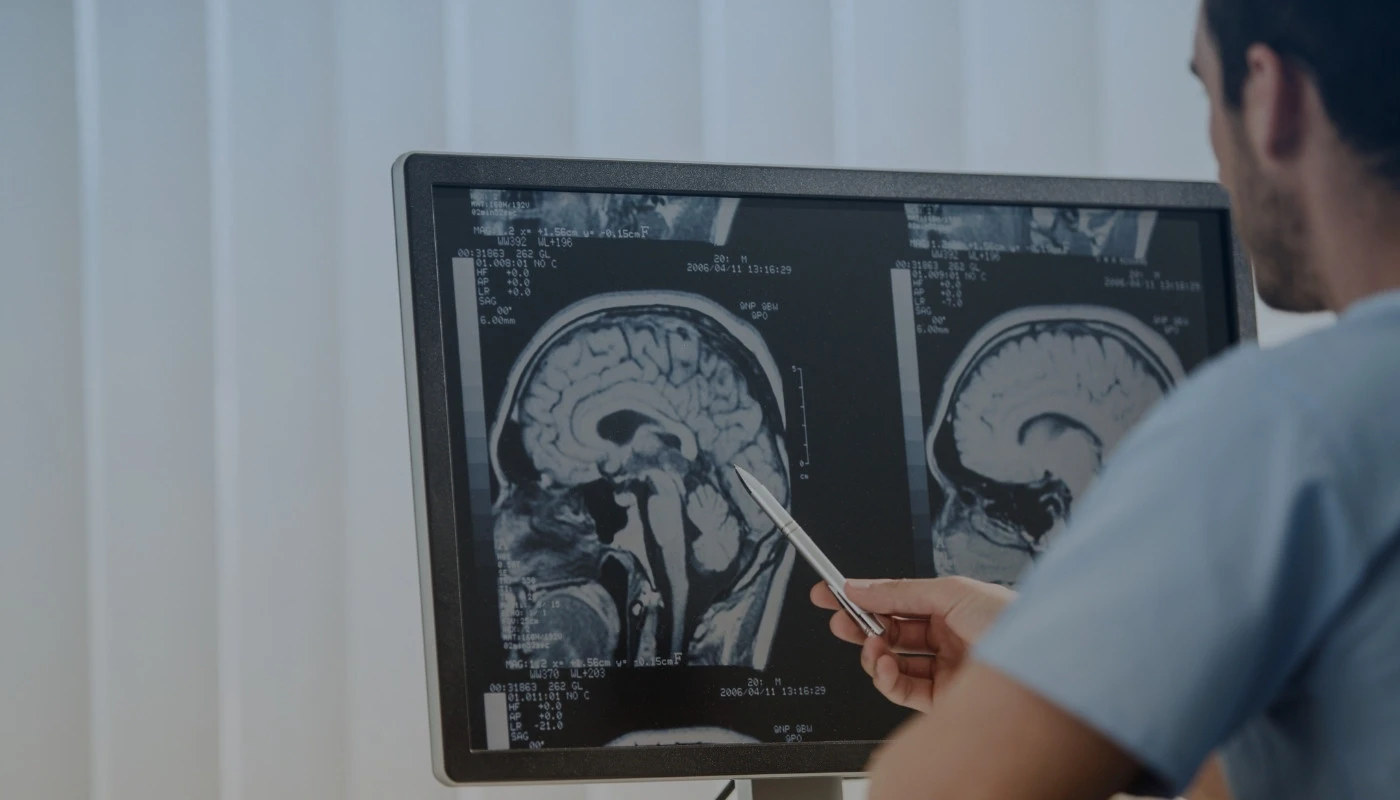
Types of Traumatic Brain Injuries
Traumatic brain injuries are classified based on how the brain is affected, how severe the disruption is, and how symptoms present over time. While some TBIs are visible on imaging, others are diagnosed based on neurological symptoms and clinical evaluation.
Concussions (Mild Traumatic Brain Injuries)
A concussion is a form of traumatic brain injury caused by a blow or jolt to the head that disrupts normal brain function. Concussions may not appear on CT scans or MRIs, but they can still cause significant symptoms.
Common effects may include:
- Headaches
- Dizziness or balance issues
- Memory problems
- Difficulty concentrating
- Sensitivity to light or noise
- Mood changes or irritability
While many concussions improve with time, some individuals develop persistent symptoms that interfere with daily life. The term “mild” refers to initial presentation — not the long-term impact.
Brain Contusions
A contusion is a bruise on the brain caused by direct impact. Contusions may involve bleeding or swelling and can require close monitoring or surgical intervention.
Depending on location, contusions may affect:
- Speech
- Motor control
- Memory
- Behavior
More severe contusions can lead to long-term cognitive or functional impairment.
Diffuse Axonal Injury (DAI)
Diffuse axonal injury occurs when rapid acceleration or deceleration forces cause widespread damage to brain cells. This type of injury often results from high-impact trauma and may not always be immediately visible on imaging.
DAI can lead to:
- Loss of consciousness
- Severe cognitive impairment
- Long-term disability
Even when a person regains consciousness, lasting neurological deficits may remain.
Penetrating Brain Injuries
Penetrating injuries occur when an object pierces the skull and directly damages brain tissue. These injuries are typically severe and often require emergency surgical intervention.
Outcomes vary depending on the area of the brain affected, but permanent impairment is common.
Hypoxic or Anoxic Brain Injuries
Brain injuries can also occur when the brain is deprived of oxygen, even without a direct blow to the head. This may happen in events involving:
- Severe trauma
- Respiratory failure
- Cardiac arrest
Oxygen deprivation can cause widespread brain damage and long-term cognitive or physical impairment.
Why Classification Matters
The type of traumatic brain injury influences:
- Immediate medical treatment
- Recovery timeline
- Risk of long-term complications
- Cognitive and behavioral outcomes
- The complexity of a legal evaluation
Some TBIs improve with treatment and time. Others result in permanent changes that affect memory, personality, independence, and the ability to work.
How Traumatic Brain Injuries Affect Daily Life
Because the brain controls memory, judgment, movement, mood, and behavior, traumatic brain injuries often affect far more than physical function. Even when a person appears physically recovered, cognitive and emotional changes can significantly alter daily life.
Cognitive Changes
Traumatic brain injuries may interfere with:
- Short-term memory
- Concentration and attention
- Processing speed
- Problem-solving ability
- Organization and planning
Tasks that once felt routine — managing finances, following instructions, completing work assignments — may become mentally exhausting or overwhelming.
Personality and Behavioral Changes
TBIs can affect areas of the brain responsible for emotional regulation and impulse control. As a result, individuals may experience:
- Irritability
- Mood swings
- Anxiety or depression
- Reduced frustration tolerance
- Social withdrawal
In some cases, personality changes are subtle. In others, they can significantly affect relationships, employment, and overall stability.
Fatigue and Reduced Endurance
Mental fatigue is one of the most common and least visible effects of a brain injury. Individuals may struggle with:
- Limited tolerance for noise or stimulation
- Difficulty sustaining focus
- Exhaustion after short periods of cognitive effort
This reduced endurance can make full-time work or complex tasks difficult, even when physical recovery appears complete.
Speech, Balance, and Motor Effects
Depending on the location and severity of the injury, TBIs may also cause:
- Slurred or slowed speech
- Coordination problems
- Balance issues
- Weakness on one side of the body
These symptoms can affect independence and mobility.
Why the Impact Is Often Misunderstood
Unlike fractures or visible burns, the effects of a brain injury may not be obvious to others. A person may “look fine” while struggling internally with memory lapses, emotional instability, or cognitive slowing.
Because many of these symptoms are subjective and may not appear on imaging, they are frequently minimized or questioned. However, the real-world impact on work, relationships, and independence can be profound.
The lasting effects of a traumatic brain injury are often measured not just by medical diagnosis, but by how the injury changes a person’s ability to function in everyday life.
When cognitive, emotional, or behavioral changes interfere with independence or employment, the injury may be considered catastrophic due to its long-term consequences.
Why Traumatic Brain Injury Cases Are Medically and Legally Complex
Traumatic brain injury cases are often complex because the injury may not be fully visible, predictable, or immediately understood. Unlike many orthopedic injuries, the severity of a brain injury is not always reflected clearly on standard imaging studies.
Imaging Does Not Always Tell the Whole Story
CT scans and MRIs are useful tools, but many TBIs — particularly concussions and diffuse injuries — may not appear on routine imaging. A normal scan does not necessarily mean the brain is functioning normally.
As a result, diagnosis often relies on:
- Clinical evaluations
- Symptom reporting
- Neuropsychological testing
- Cognitive assessments over time
When objective imaging findings are limited, the injury may be questioned or minimized despite ongoing symptoms.
Symptoms May Evolve Over Time
Some brain injury symptoms appear immediately. Others develop gradually or become more noticeable once a person attempts to return to work or daily responsibilities.
Cognitive fatigue, mood instability, memory problems, and executive dysfunction may only become fully apparent weeks or months after the injury. Early medical evaluations may not capture the full scope of long-term impairment.
Functional Impact Is Harder to Measure
Unlike a broken bone that can be measured on an X-ray, cognitive and behavioral changes are often evaluated through performance testing and observed limitations.
Brain injuries can affect:
- Judgment
- Emotional regulation
- Multitasking ability
- Stress tolerance
- Decision-making
These impairments can significantly limit employment and independence, yet they are not always easy to quantify.
Expert Evaluation Is Often Required
Because TBIs can be subtle and evolving, cases frequently involve expert input from:
- Neurologists
- Neuropsychologists
- Rehabilitation specialists
- Vocational experts
These evaluations help document cognitive deficits, functional limitations, and long-term prognosis.
Why Brain Injury Cases Are Frequently Disputed
Insurance companies often focus on:
- The absence of visible imaging findings
- Short-term improvement
- The label “mild” in mild traumatic brain injury
However, the long-term consequences of a brain injury may not be reflected in early medical records. Once a claim is resolved, additional compensation is typically not available if symptoms worsen or persist.
Why a Long-Term Perspective Is Critical
Because traumatic brain injuries can evolve over time, early resolution of a claim may fail to account for ongoing cognitive, emotional, or occupational limitations.
Careful documentation, longitudinal evaluation, and a forward-looking assessment are often necessary to understand the full impact of a brain injury.
Compensation in Traumatic Brain Injury Cases
Compensation in traumatic brain injury cases is intended to address both the immediate medical treatment and the long-term cognitive, emotional, and functional consequences that may follow. Because brain injuries often evolve over time, a careful evaluation must look beyond early medical records and initial symptoms.
The compensation available depends on the severity of the injury, the course of treatment, and the available insurance or assets. In general, TBI cases may involve the following categories:
Medical Treatment and Ongoing Care
This may include:
- Emergency care and hospitalization
- Neurological evaluations
- Follow-up imaging and diagnostic testing
- Cognitive rehabilitation therapy
- Psychological or psychiatric treatment
- Medication management
Some individuals require long-term neurological monitoring or specialized rehabilitation.
Cognitive and Rehabilitation Services
Brain injuries often require structured therapy to address cognitive and functional deficits, including:
- Neuropsychological assessment
- Speech therapy
- Occupational therapy
- Memory and executive function training
- Behavioral health support
Rehabilitation may continue for months or years, and progress can vary significantly from person to person.
Future Medical Needs
Traumatic brain injuries may involve future care, such as:
- Ongoing cognitive therapy
- Treatment for chronic headaches or neurological symptoms
- Mental health care
- Support services for independent living
Because symptoms can change over time, future needs must be evaluated carefully before any resolution is considered.
Lost Income and Earning Capacity
Brain injuries frequently affect a person’s ability to return to work, particularly in roles that require:
- Sustained concentration
- Multitasking
- Complex decision-making
- Emotional regulation
Compensation may address lost wages during recovery, as well as long-term limitations that reduce earning capacity.
Pain, Suffering, and Loss of Quality of Life
Beyond financial losses, traumatic brain injuries may involve:
- Chronic headaches or neurological symptoms
- Emotional distress
- Personality changes
- Loss of independence
- Strain on personal relationships
These non-economic damages reflect the real-life impact of cognitive and behavioral changes that may not be outwardly visible.
Why a Comprehensive Evaluation Matters
Because brain injuries can be subtle, evolving, and difficult to measure, early assessments often underestimate long-term consequences. Once a claim is resolved, additional compensation is typically not available if symptoms persist or worsen.
A full evaluation should consider how the injury affects daily function, employment, relationships, and independence — not just what appears on initial imaging.
Frequently Asked Questions About Traumatic Brain Injuries
What is a traumatic brain injury?
A traumatic brain injury occurs when a blow, jolt, or force disrupts normal brain function. TBIs range from concussions to severe brain damage involving bleeding, swelling, or oxygen deprivation.
Is a concussion considered a traumatic brain injury?
Yes. A concussion is a form of traumatic brain injury. The term “mild” refers to initial presentation, not long-term impact.
Can brain injury symptoms appear later?
Yes. Some symptoms develop hours, days, or even weeks after the initial injury. Cognitive and emotional changes may become more noticeable when a person attempts to return to normal activities.
Are traumatic brain injuries permanent?
Some individuals recover fully, while others experience long-term or permanent cognitive, emotional, or physical limitations. Outcomes depend on the severity and type of injury, as well as individual response to treatment.
When should I speak with a lawyer after a brain injury?
It is often advisable to seek guidance early, particularly if symptoms persist, interfere with work, or are not reflected clearly in imaging studies. Early evaluation can help ensure the long-term impact is properly considered.
Speak With an Attorney About Traumatic Brain Injuries
Traumatic brain injuries can affect memory, mood, judgment, and independence in ways that are not always visible. When cognitive or behavioral changes interfere with daily life or employment, understanding your options early can be important.
If you or a loved one suffered a traumatic brain injury due to someone else’s negligence, speaking with an attorney can help clarify how the injury may evolve and what long-term considerations may apply.
Our attorneys offer free consultations and carefully evaluate serious injury cases. There is no obligation, and no fees are charged unless compensation is recovered.