
El Dabe Ritter Trial Lawyers
Internal Organ Injuries and Internal Trauma
Understanding internal injuries and their long-lasting effects
Internal Injuries May Not Be Immediately Visible
Internal organ injuries occur when blunt force, compression, or penetrating trauma damages organs inside the body. Unlike fractures or external wounds, these injuries are often not visible from the outside, yet they can be life-threatening or result in long-term medical complications.
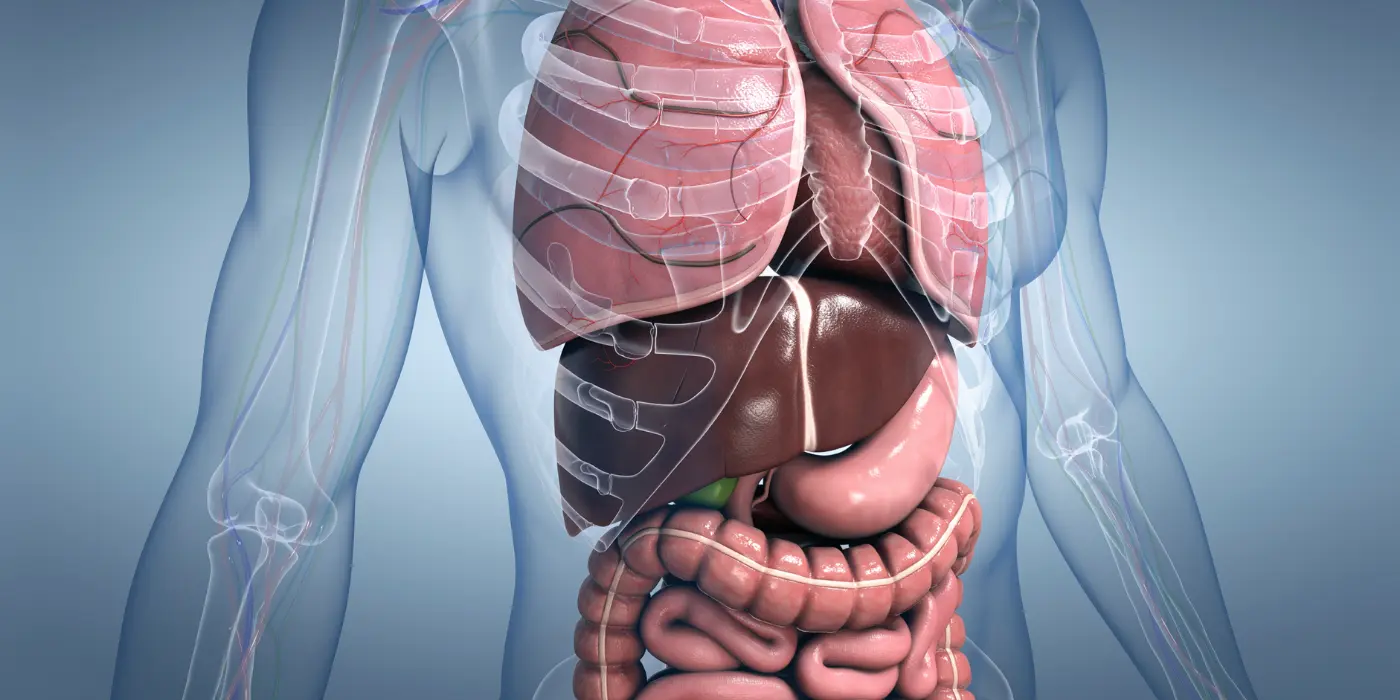
Commonly affected organs include the liver, spleen, kidneys, lungs, and intestines. Internal trauma may also involve internal bleeding, organ rupture, or compromised blood flow. In many cases, symptoms do not fully appear until hours or even days after the initial event.
Because these injuries are not always immediately obvious, they may be underestimated early in treatment. However, internal organ damage can require emergency surgery, intensive care, and prolonged monitoring. In more severe cases, individuals may experience permanent impairment or the loss of an organ.
For these reasons, serious internal organ injuries are often treated as catastrophic injuries when they result in lasting medical complications or long-term functional limitations.
Types of Internal Organ Injuries
Liver and Spleen Injuries
The liver and spleen are particularly vulnerable to blunt abdominal trauma. Injuries may involve:
- Lacerations or tears
- Internal bleeding
- Hematomas
- Organ rupture
Severe cases may require surgical repair or removal of the organ, which can affect immune function or long-term health.
Kidney Injuries
Kidney trauma may result in:
- Bleeding within or around the kidney
- Damage to urinary function
- Long-term renal impairment
While some kidney injuries heal with monitoring, more severe cases can result in lasting complications.
Lung Injuries
Trauma to the chest can cause:
- Collapsed lung (pneumothorax)
- Pulmonary contusions (bruising of lung tissue)
- Difficulty breathing
- Oxygenation problems
Severe lung injuries may require chest tubes, ventilatory support, or extended hospitalization.
Intestinal and Abdominal Injuries
Blunt force or penetrating trauma may damage the intestines or other abdominal structures. These injuries can lead to:
- Internal bleeding
- Infection
- Sepsis
- Multiple surgeries
Abdominal injuries are often serious because they may not be immediately detected.
Internal Bleeding
Internal bleeding can occur without visible external signs. Symptoms may include:
- Abdominal pain
- Dizziness
- Weakness
- Drop in blood pressure
Significant internal bleeding can become life-threatening and requires urgent medical intervention.
Why Internal Organ Injuries Are Often Missed
Internal injuries are sometimes difficult to diagnose immediately because:
- External signs may be minimal
- Symptoms may develop gradually
- Imaging may not capture all damage early
- Patients may initially feel stable
As a result, deterioration can occur after discharge or in the days following an accident.
Long-Term Effects of Internal Organ Injuries
Internal organ injuries can have consequences that extend well beyond the initial emergency treatment. While some injuries heal with monitoring and time, others result in permanent health changes that affect daily function and long-term medical needs.
Loss or Removal of an Organ
In severe cases, surgical removal of an organ may be necessary to control bleeding or prevent infection. Examples include:
- Splenectomy (removal of the spleen)
- Partial or total removal of the liver
- Removal of damaged sections of intestine
Organ removal can affect immune function, digestion, or metabolic processes and may require lifelong medical monitoring.
Chronic Pain and Abdominal Complications
Internal injuries may lead to:
- Persistent abdominal pain
- Scar tissue formation (adhesions)
- Bowel obstruction
- Ongoing digestive issues
Scar tissue inside the abdomen can cause complications months or years after the original injury.
Respiratory Limitations
Serious lung injuries may result in:
- Reduced lung capacity
- Shortness of breath
- Increased susceptibility to respiratory infections
- Long-term oxygenation issues
These limitations can affect physical endurance and daily activities.
Kidney or Organ Function Impairment
Damage to organs such as the kidneys or liver may lead to:
- Reduced organ function
- Need for ongoing medical monitoring
- Increased vulnerability to future health complications
Even partial impairment can require long-term care and lifestyle adjustments.
Increased Risk of Infection
Some internal injuries, particularly those involving organ removal or intestinal damage, can increase the risk of:
- Recurrent infections
- Sepsis
- Compromised immune response
These risks may require preventive care and ongoing medical supervision.
Reduced Physical Endurance
Internal trauma often affects overall stamina and resilience. Individuals may experience:
- Fatigue
- Reduced tolerance for physical exertion
- Slower recovery from illness
Even when outward recovery appears complete, internal limitations may persist.
Why Long-Term Monitoring Matters
Internal organ injuries may not reveal their full impact immediately. Complications can arise well after discharge from the hospital, and secondary conditions may develop over time.
Because of this, serious internal injuries are often evaluated with a long-term perspective that considers future medical needs, functional limitations, and potential complications.
Why Internal Organ Injury Cases Are Medically and Legally Complex
Internal organ injury cases are often complex because the damage may not be immediately visible, symptoms can evolve over time, and long-term complications are difficult to predict in the early stages.
Injuries May Not Be Immediately Apparent
Unlike fractures or visible wounds, internal injuries may not produce obvious external signs. A person may initially appear stable while internal bleeding or organ damage develops beneath the surface.
Delayed symptoms can include:
- Increasing abdominal pain
- Dizziness or weakness
- Breathing difficulty
- Signs of infection
Because deterioration may occur hours or days later, early evaluations sometimes underestimate the severity of the injury.
Imaging and Early Testing May Be Inconclusive
While CT scans and diagnostic imaging are critical tools, they do not always capture the full extent of internal damage immediately. Swelling, bleeding, or organ dysfunction may evolve after initial imaging.
This can create disputes over:
- The timing of symptom development
- Whether complications are related to the original trauma
- The severity of the initial injury
Lorem ipsum dolor sit amet, consectetur adipiscing elit. Ut elit tellus, luctus nec ullamcorper mattis, pulvinar dapibus leo.
Complications Can Arise After Initial Treatment
Internal organ injuries often require ongoing monitoring because complications may include:
- Infection
- Organ failure
- Scar tissue and adhesions
- Delayed bleeding
- Respiratory complications
These issues may not surface until well after hospital discharge, making early resolution of a claim risky if long-term outcomes are uncertain.
Functional Impact Is Not Always Obvious
Even after surgical repair or stabilization, individuals may experience:
- Reduced endurance
- Chronic pain
- Digestive or respiratory limitations
- Increased vulnerability to illness
Because these limitations are not always externally visible, they may be underestimated in early evaluations.
Long-Term Prognosis Can Be Uncertain
The long-term outlook for internal organ injuries varies widely. Some individuals recover fully, while others develop chronic health conditions requiring lifelong monitoring or treatment.
When future complications are possible, a comprehensive evaluation is necessary before any resolution is considered.
Let’s close this one out clean and consistent with the rest of the catastrophic cluster.
Compensation in Internal Organ Injury Cases
Compensation in internal organ injury cases is intended to address both the immediate medical emergency and the potential long-term consequences that may follow. Because these injuries can evolve over time and may lead to chronic health complications, early evaluations often do not reflect their full impact.
The compensation available depends on the severity of the injury, the course of treatment, and the available insurance or assets. In general, internal organ injury cases may involve the following categories:
Emergency Treatment and Hospitalization
This may include:
- Emergency room care
- Diagnostic imaging and testing
- Intensive care unit (ICU) stays
Serious internal injuries often require rapid intervention and extended hospitalization.
Surgical and Ongoing Medical Care
Internal trauma may require:
- Organ repair surgery
- Organ removal procedures
- Follow-up imaging and monitoring
- Treatment for infection or complications
- Long-term specialist care
Some individuals require lifelong medical supervision, particularly after organ removal.
Future Medical Needs
Because internal injuries can lead to delayed complications, future care may include:
- Additional surgeries
- Treatment for scar tissue or adhesions
- Management of chronic digestive or respiratory issues
- Preventive care related to reduced immune function
Future needs are often uncertain in the early stages of recovery.
Lost Income and Earning Capacity
Internal organ injuries can affect a person’s ability to return to physically demanding work or maintain prior employment.
Compensation may address:
- Wages lost during hospitalization and recovery
- Reduced earning capacity
- Limitations caused by chronic fatigue or endurance issues
- Long-term employment adjustments
Even when outward recovery appears complete, reduced stamina or chronic symptoms may limit occupational capacity.
Pain, Suffering, and Loss of Quality of Life
Beyond financial losses, internal injuries may involve:
- Chronic abdominal or chest pain
- Reduced physical endurance
- Emotional distress related to ongoing health uncertainty
- Loss of independence
These damages reflect the ongoing impact of living with a serious internal injury.
Why a Comprehensive Evaluation Matters
Internal organ injuries can be unpredictable. Complications may develop months after initial treatment, and some long-term effects may not become clear until a person attempts to return to normal activities.
Once a claim is resolved, additional compensation is typically not available if health conditions worsen later. A forward-looking evaluation is often necessary to account for both current and potential future consequences.
Frequently Asked Questions About Internal Organ Injuries
What is considered an internal organ injury?
An internal organ injury involves damage to organs such as the liver, spleen, kidneys, lungs, or intestines due to blunt or penetrating trauma. These injuries may involve bleeding, rupture, or compromised function.
Can internal injuries be serious even without visible wounds?
Yes. Internal organ damage may not produce obvious external signs. Symptoms can develop gradually and may worsen over time.
Do internal organ injuries always require surgery?
Not always. Some injuries can be managed with monitoring and supportive care. However, severe cases may require emergency surgery or organ removal.
Can internal organ injuries cause long-term health problems?
Yes. Depending on the severity, individuals may experience chronic pain, reduced organ function, digestive issues, respiratory limitations, or increased susceptibility to infection.
When should I speak with a lawyer after an internal injury?
It is often advisable to seek guidance early, especially if the injury required hospitalization, surgery, or ongoing medical care. Early evaluation can help ensure that potential long-term consequences are considered.
Speak With an Attorney About Internal Organ Injuries
Internal organ injuries can be life-threatening and may have lasting effects that are not immediately visible. When injuries involve organ damage, internal bleeding, or long-term complications, understanding your options early can be important.
If you or a loved one suffered an internal organ injury due to someone else’s negligence, speaking with an attorney can help clarify how the injury may evolve and what long-term considerations may apply.
Our attorneys offer free consultations and carefully evaluate serious injury cases. There is no obligation, and no fees are charged unless compensation is recovered.