
California ranks 8th in the nation for the highest number of uninsured motorists in 2023, according to the Insurance Information Institute. That means thousands of drivers face the risk of being hit by someone who cannot fully pay for the damage they cause.
Uninsured and underinsured motorist coverage (UM/UIM) is meant to protect against this exact situation. However, UM/UIM disputes are common, especially when injuries are serious and insurance companies begin questioning the value of a claim.
What many injured drivers do not realize is that UM/UIM claims are often handled less like routine insurance claims and more like legal disputes.
-
Key points
- UM/UIM claims are often treated like legal disputes, not simple insurance claims.
- Insurers may question your injuries or future care without proper support.
- Deadlines, arbitration rules, and policy language can affect recovery.
- Claims are often undervalued without strong evidence and preparation.
- Settling too soon can leave injured drivers paying out of pocket later.
- Because of these risks, getting guidance early can help protect your recovery before mistakes are made.
What UM/UIM Coverage Is Supposed to Do (and Why It Often Falls Short)

Uninsured and underinsured motorist coverage, often called UM/UIM, is part of many California auto insurance policies. UM/UIM coverage is meant to protect drivers when the person who caused the crash does not have enough insurance or insurance at all. While the idea is simple, the way these claims work in practice is often more complex than people expect.
- In simple terms:
- Uninsured motorist (UM) coverage applies when the other driver has no insurance at all.
- Underinsured motorist (UIM) coverage applies when the other driver’s insurance is not enough to cover your losses.
Many people assume this coverage works automatically. They expect their insurance company to step in and pay medical bills, lost income, and pain and suffering without resistance.
In reality, once injuries are serious or treatment is ongoing, you may be required to build a full injury case. That can include:
- Medical records and expert opinions
- Proof of lost wages and future income
- Evidence of long-term or future medical needs
This is often where UM/UIM disputes begin.
How a Lawyer Levels the Playing Field in UM/UIM Disputes
UM/UIM disputes often put injured drivers at a disadvantage. Because insurers step into the role of the at-fault driver and apply strict policy rules, injured drivers often need to build a full injury case. This is where legal guidance can level the playing field.
- A personal injury lawyer can:
- Handle all communication with the insurance company, so you do not have to deal with adjusters, recorded statements, or pressure to settle while you are recovering.
- Collect and organize medical records and expert opinions, including doctor notes that explain how the injury affects your daily life and future care needs.
- Prove future medical needs and lost income, such as ongoing therapy, surgery, or time missed from work that may not show up in early bills.
- Prepare the claim as if it were going to trial, which helps prevent insurers from dismissing or minimizing your injuries.
- Push back against low settlement offers, using evidence and documentation instead of guesswork or assumptions.
This approach helps ensure your claim reflects the full impact of your injuries, not just what is easy for an insurer to pay. Many UM/UIM attorneys also work on a contingency basis, meaning there is no upfront cost.
Why UM/UIM Claims Can Feel Like You’re Fighting Your Own Insurance Company
UM/UIM claims place insurance companies in a different role than most policyholders expect. Instead of providing immediate support, the insurer must evaluate and defend the value of the claim. This structure often leads to disputes and delays that surprise injured drivers.
- This happens because:
- Your insurance company becomes financially responsible for your injuries.
- The adjuster’s job is to limit what the company pays.
- Your claim is treated more like a lawsuit than a simple insurance claim.
Even though it is your policy, the insurer may question your injuries, your treatment, or the value of your claim.
What’s at Risk If You Handle a UM/UIM Claim Alone
Many injured people try to handle a UM/UIM claim on their own, often trusting their insurance company or hoping to reduce stress. However, these claims involve evidence requirements, insurance tactics, and policy rules that are easy to miss without guidance.
Without guidance, injured drivers may struggle to document their injuries, address gaps in treatment, or prove future medical needs. Meanwhile, insurance companies may slow the process with delays, low offers, recorded statement requests, or disputes over liability and injury severity.
Policy issues can also create problems, including confusion between UM and UIM coverage, arbitration clauses, offsets or credits, stacked versus non-stacked policies, and MedPay setoffs. These challenges increase when multiple policies are involved.
As a result, injured drivers may accept settlements that do not cover future care, miss deadlines that limit recovery, or settle before the full impact of their injuries is known. Once a UM/UIM settlement is accepted, it is usually final, even if new issues arise later.
Common Ways Insurance Companies Undervalue UM/UIM Claims

Insurance companies are businesses, and UM/UIM claims affect their bottom line. As a result, insurer adjusters may use specific tactics to reduce payouts. Being aware of these tactics helps injured drivers better understand the claims process.
- * Saying your injuries are “not that serious”
- * Blaming symptoms on prior conditions
- * Questioning gaps in medical treatment
- * Claiming future care is unnecessary
- * Downplaying pain, limitations, or long-term effects
- * Arguing over policy language or limits
For example, an insurer may cover initial ER bills but refuse to consider future therapy or surgery, even when doctors say it is needed.
Arbitration, Policy Language, and Legal Traps Most People Don’t Expect
UM/UIM claims often involve legal steps that most drivers do not anticipate. Instead of a simple settlement process, these claims may follow formal procedures that affect how and when compensation is decided.
- The process may include:
- Strict deadlines that must be met
- Detailed policy rules that control the claim
- Evidence requirements similar to a lawsuit
- Arbitration decisions that are difficult to appeal
These requirements are usually buried in policy documents and are not clearly explained when a claim is filed. Missing a deadline or submitting incomplete information can reduce, or even block, your ability to recover compensation.
When to Talk to a Lawyer About a UM/UIM Claim
Not every UM/UIM claim requires a lawyer, but guidance is often helpful when situations like these arise:
- Your injuries required significant treatment or ongoing care
- You missed work or expect future wage loss
- The at-fault driver had little or no insurance
- Your insurer delays, denies, or undervalues the claim
- The settlement offer does not cover medical bills
- Arbitration or multiple policies are involved
- Under these circumstances, a personal injury lawyer can help you by:
- Handling all communication with the insurance company, so you do not have to deal with adjusters, recorded statements, or pressure to settle while you are recovering.
- Collecting and organizing medical records and expert opinions, including doctor notes that explain how the injury affects your daily life and future care needs.
- Proving future medical needs and lost income, such as ongoing therapy, surgery, or time missed from work that may not show up in early bills.
- Preparing the claim as if it were going to trial, which helps prevent insurers from dismissing or minimizing your injuries.
- Pushing back against low settlement offers, using evidence and documentation instead of guesswork or assumptions.
Reaching out does not mean you are filing a lawsuit or committing to legal action. It simply means you are getting clear answers and understanding your options before making important decisions.
Don’t Guess What Your UM/UIM Claim Is Worth
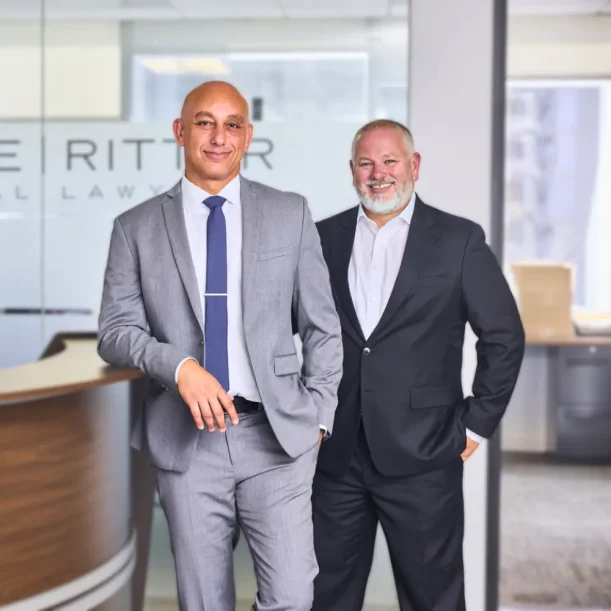
You don’t need to commit to legal action to get answers. A free consultation is simply a way to understand where you stand and whether your insurance company is treating your claim fairly. With over 60 years of combined experience, proven success, and millions recovered for our clients, we have the knowledge and resources to help protect your recovery and your future.
Call us today for a free consultation!
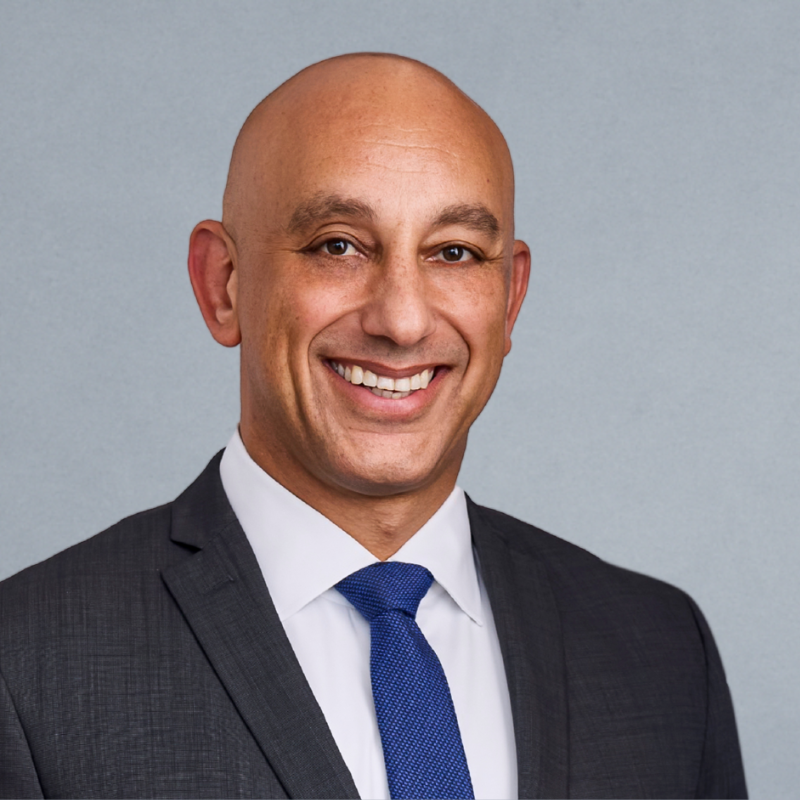
SHERIF EDMOND EL DABE
Founder / Partner / Attorney
Sherif Edmond El Dabe, founding partner of El Dabe Ritter Trial Lawyers in Los Angeles and Huntington Beach, is a seasoned trial attorney focused on catastrophic injury, wrongful death, and insurance bad faith cases. He has recovered over $224 million for clients and spoken at leading legal conferences, including CAALA and TBI Med Legal.
Disclaimer: The information provided in this blog post is not intended as legal advice and should not be relied upon as such. You should consult with an experienced attorney for advice on your specific situation.