
E-bikes have revolutionized how Californians commute. Growth in electric bike sales has been steady from 2017 to 2022. In fact, the Department of Energy reported that in 2022, there were 1.1 million e-bikes sold in the United States. But, California’s new e-bike laws for 2025 are reshaping the rules of the road. Are you prepared? With the passage of Senate Bill 1271, California is implementing significant changes to electric bicycle regulations, focusing on safety, classification clarity, and proper usage. Whether you’re a daily commuter, weekend warrior, or considering your first e-bike purchase, understanding these new laws is crucial for both compliance and safety.
What Is an E-Bike?
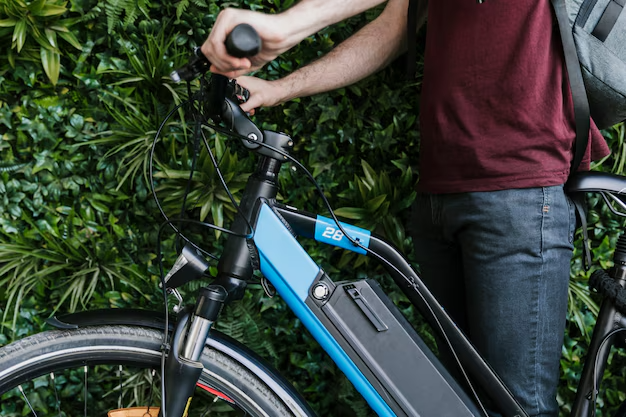
Under California law, an electric bicycle is defined as a bicycle equipped with fully operable pedals and an electric motor that doesn’t exceed 750 watts of power. This simple definition belies the complexity of e-bike classifications and regulations that help ensure safety and proper use.
The Three Classes of E-Bikes
California categorizes electric bikes into three distinct classes:
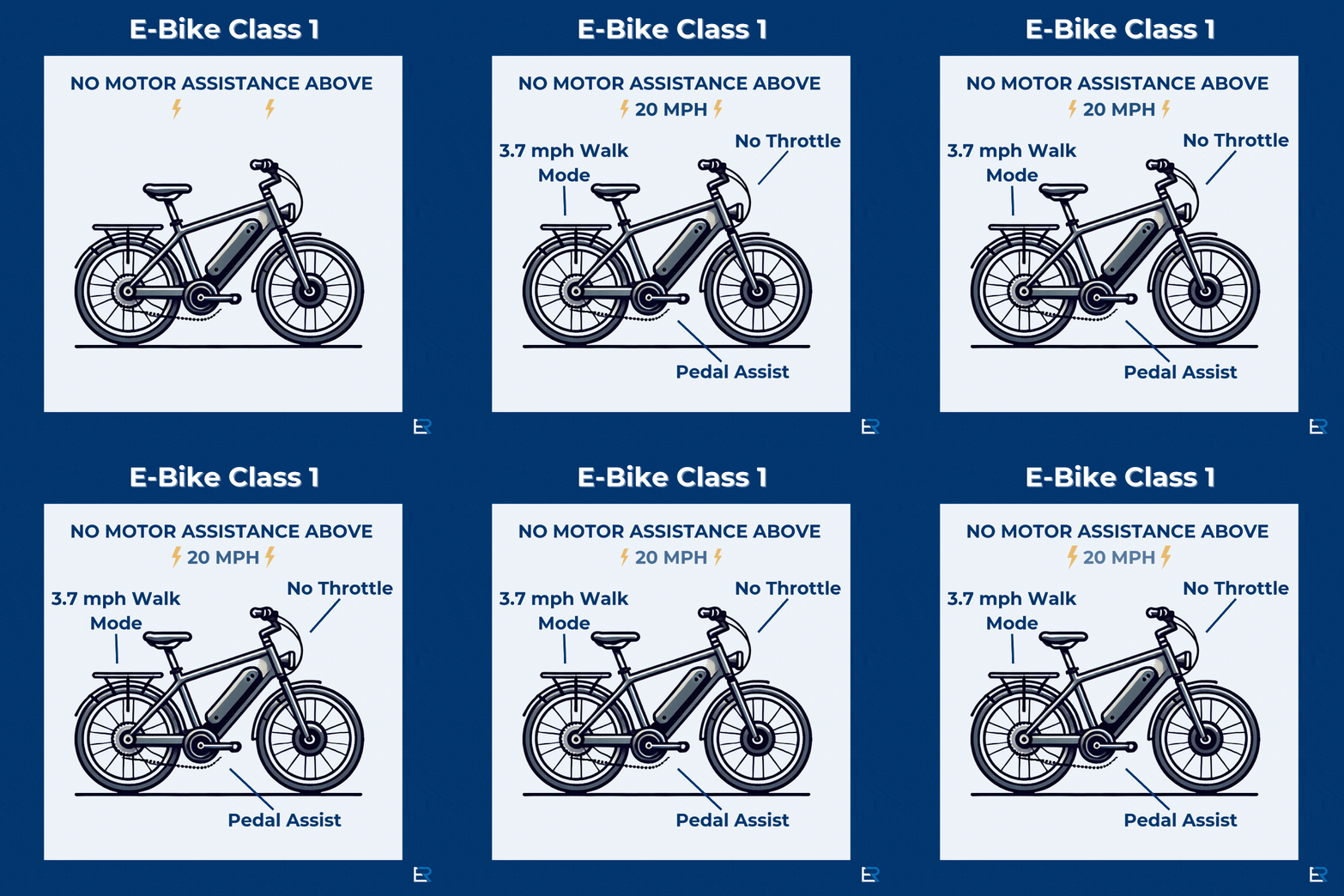
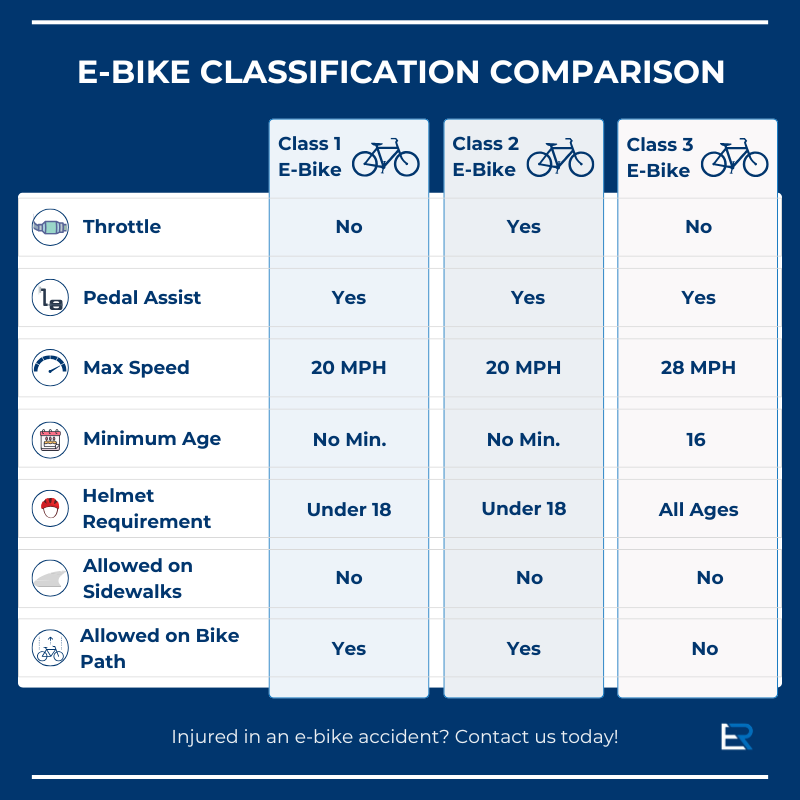
Class 1 (Low-Speed Pedal-Assisted)
- Pedal-assist only
- Motor assistance up to 20 mph
- Motor cannot exclusively propel the bike (except in walk mode)
- New: Motor cannot provide assistance above 20 mph
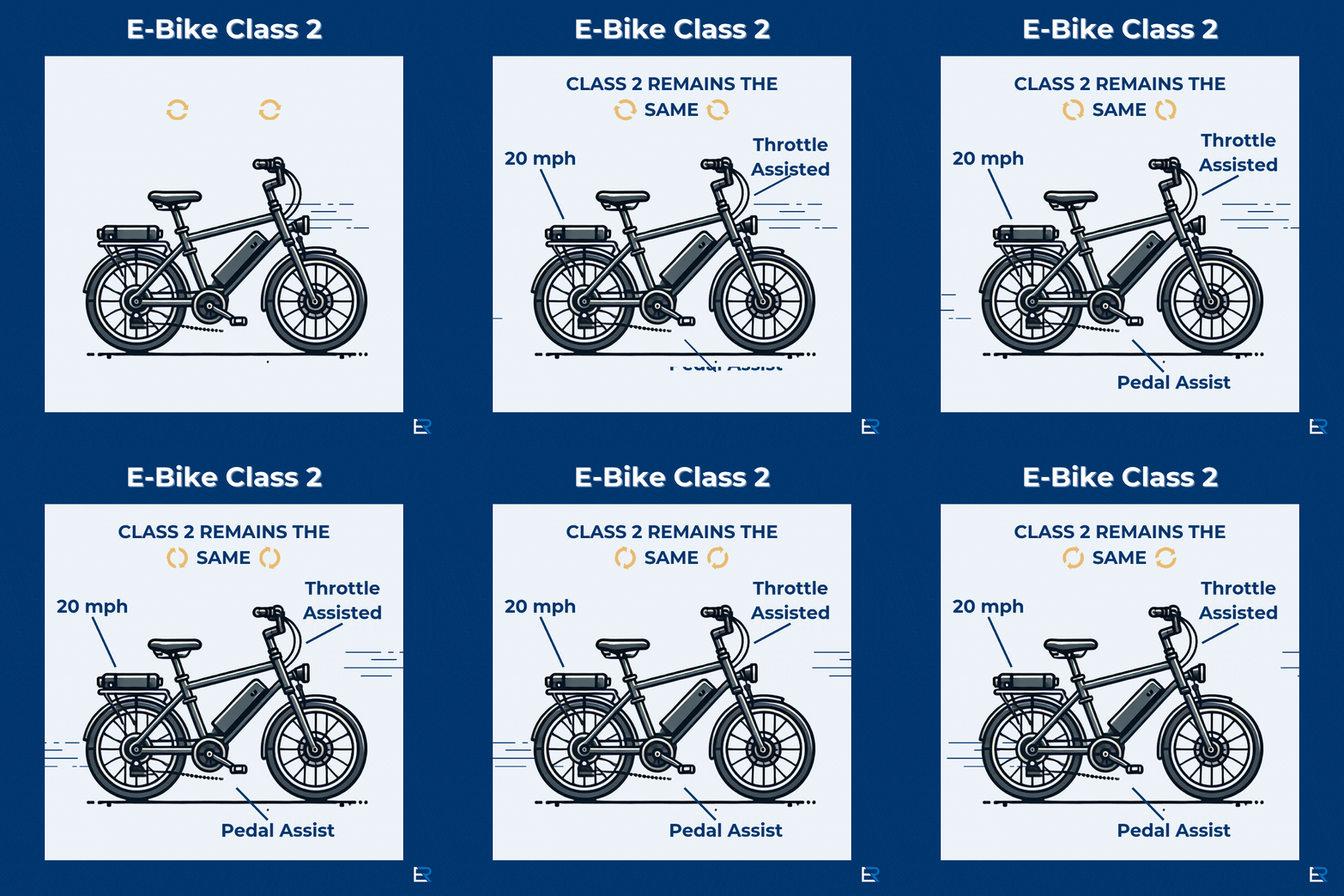
Class 2 (Low-Speed Throttle-Assisted)
- Can use throttle exclusively
- Maximum speed of 20 mph
- Remains largely unchanged under new laws
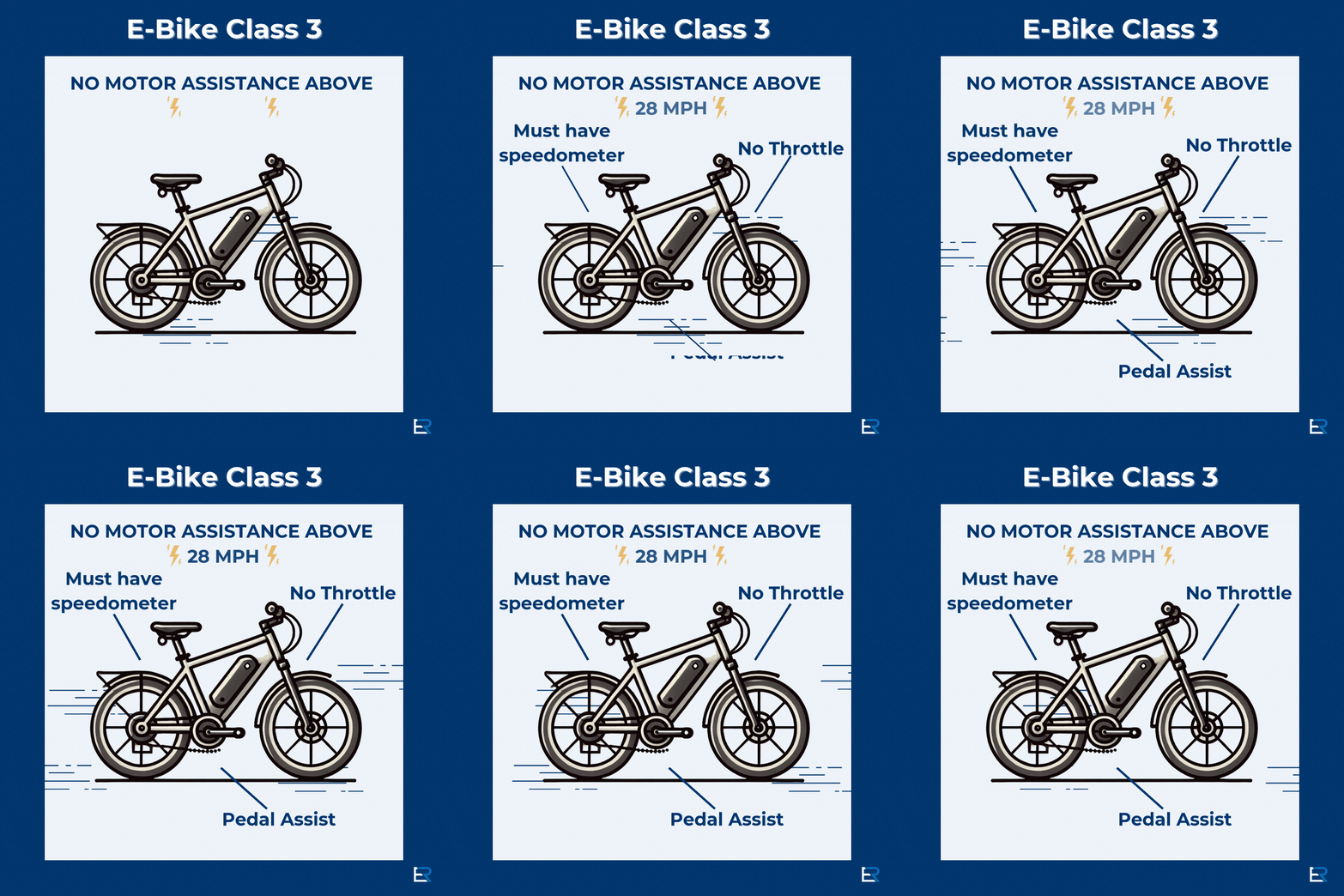
Class 3 (Speed Pedal-Assisted)
- Pedal-assist only
- Motor assistance up to 28 mph
- Must have speedometer
- Motor cannot exclusively propel the bike (except in walk mode)
E-Bike Laws Before 2025
Prior to the 2025 changes, California’s e-bike laws were relatively permissive regarding motor operation. Class 1 and Class 3 e-bikes could potentially be modified to operate without pedaling, and there was less clarity about speed limitations and motor capabilities. This flexibility, while convenient for riders, led to concerns about safety and the distinction between e-bikes and other motorized vehicles.
The pre-2025 regulations focused primarily on where different classes could operate:
- Class 1 and 2: Allowed on all bike paths
- Class 3: Restricted from some paths, required helmet use
- All classes: Treated largely as traditional bicycles for road use
California’s 2025–2026 Electric Bike Law Changes
Senate Bill 1271 and Assembly Bill 544 introduce several significant changes to California’s e-bike regulations:
New Throttle Restrictions
- Class 1 and Class 3 e-bikes must be pedal-assist only.
- Exception: Walk mode (or start-assist) is allowed up to a maximum of 3.7 mph.
- Motors cannot exclusively propel these bikes except in walk mode.
- Class 2 bikes retain throttle capability up to 20 mph.
Speed and Power Limitations
- Explicit prohibition of modifications exceeding 750 watts of continuous power.
- Clear speed assistance caps:
- Class 1: Cannot assist above 20 mph
- Class 3: Cannot assist above 28 mph
- E-bikes must clearly display their classification label, and marketing or modifying bikes to hide their true capability is prohibited.
Safety Standards and Certification
Starting January 1, 2026:
- All new e-bikes sold or leased in California must be tested by an accredited laboratory to meet recognized safety standards (such as UL 2849 or equivalent).
- Uncertified batteries or charging systems cannot be legally sold or leased in the state.
- Manufacturers and retailers must display clear compliance labels on the bike and battery.
- Documentation of compliance must be available upon request.
New Visibility Equipment Rules
- All e-bikes must carry a rear red reflector or a solid/flashing red rear light with a built‑in reflector at all times when in use.
- This requirement now applies to daytime riding to improve visibility and reduce collisions (previously, this only applied at night).
Age and Parental Restrictions
- Parents and guardians can be cited and fined if their minor children ride unsafe, unlawful, or unequipped e-bikes.
- Individuals under the age of 16 are strictly prohibited from operating a Class 3 e-bike.
- Selling or leasing a Class 3 e-bike to a minor is an infraction that carries fines of up to approximately $250.
Prohibited Modifications
The law explicitly prohibits:
- Modifications enabling speeds above 20 mph on motor power alone
- Modifications exceeding 750 watts of power
- Removal of operable pedals
Why These Changes?
The new regulations address several key concerns:
Safety First
The restrictions on motor-only operation help ensure that e-bikes remain fundamentally human-powered vehicles with electric assistance, rather than fully motorized transportation. Additionally, expanding the rear reflector rule to daylight hours ensures riders are visible to drivers at all times, reducing the chance of collisions.
Clear Classifications
By explicitly defining motor capabilities and restrictions, the law creates clearer distinctions between e-bikes and other motorized vehicles like mopeds or motorcycles. This clarity helps law enforcement, retailers, and riders understand what constitutes a legal e-bike and prevents products from being falsely marketed.
Battery Safety
The certification requirements address growing concerns about battery fires and electrical hazards, ensuring that all e-bikes and charging systems meet rigorous safety standards before they can be sold.
Youth Accountability
Enforcing age limits on fast Class 3 bikes and holding parents financially responsible for safety violations ensures that younger riders remain on age-appropriate, legally compliant equipment.
What the New Laws Mean for Electric Bike Riders
Immediate Impacts
- Class 1 and 3 riders must use pedal-assist (with walk mode limited to 3.7 mph).
- No modifications allowing motor-only operation over 20 mph or exceeding 750 watts.
- All riders must have a rear red reflector or light equipped during daytime rides, not just at night.
- Parents face fines if their children ride illegal e-bikes or ride without safety gear.
Future Considerations (2026 and Beyond)
- Only certified batteries and charging systems can be legally purchased, sold, or leased.
- Rental operations must fully comply with these updated safety standards.
- Buyers must look for official compliance and classification labels when purchasing new e-bikes.
Local E-bike Ordinances by County
Los Angeles County
Los Angeles follows California’s e-bike laws along with any additional local ordinances. For the most up-to-date regulations, check the local government website. Below is a selection of city ordinances in Los Angeles County:
Santa Cruz County
Orange County
Marin County
Marin County and its municipalities are granted the authority under Assembly Bill 1778 (AB-1778) to ban individuals younger than 16 from riding Class 2 e-bikes and to mandate helmet use for all riders, irrespective of age.
San Diego County
Assembly Bill 2234 (AB-2234) grants San Diego County and its cities the authority to ban individuals under 12 from riding Class 1 or Class 2 e-bikes. These pilot programs will remain active until January 1, 2029.
Recommended Reading: Can I File a Police Report After an E-Bike Accident?
FAQs About E-Bikes in California
Q: Are e-bikes considered motor vehicles in California?
A: No, e-bikes meeting the defined criteria are classified as bicycles and don’t require registration or licensing.
Q: Can I still use my throttle after 2025?
A: Yes, but only on Class 2 e-bikes. Class 1 and 3 e-bikes must be pedal-assist only.
Q: What happens to existing e-bikes that don’t meet the new requirements?
A: While the law doesn’t explicitly address grandfathering, any modifications to existing bikes must comply with new standards.
Q: Is walk mode still allowed?
A: Yes, Class 1 and 3 e-bikes can have walk mode up to 3.7 mph.
Embracing the Future of E-Bike Safety in California
California’s new e-bike laws represent a significant step toward safer, more regulated electric bicycle use. While some riders may need to adjust their habits, particularly those used to throttle-only operation on Class 1 and 3 bikes, the changes ultimately create clearer standards that benefit all road users. Understanding and complying with these regulations is essential for continued enjoyment of e-bike transportation.
Stay informed about these changes and ensure your e-bike meets the new requirements. For specific questions about e-bike regulations or compliance, consult with local authorities or legal experts specializing in transportation law. Together, we can create a safer, more sustainable future for e-bike transportation in California.
Recommended Reading: New California Law SB 586: What eMoto Riders Need to Know
Injured in an E-Bike Accident? Consult With Our California E-Bike Accident Lawyers

While California’s new e-bike laws for 2025 enhance safety for everyone, accidents can still happen. If you’re involved in an accident with a negligent driver while riding your electric bike, get help from an experienced personal injury lawyer. Legal representation can help secure fair compensation. At El Dabe Ritter Trial Lawyers, our team has years of experience representing seriously injured victims of electric bicycle accidents. We stay current with California’s evolving transportation laws, which enables us to defend our clients’ interests more aggressively. For a confidential consultation about your e-bike rider accident, call us at 213-985-1120 or send us a message via chat.
Disclaimer: This blog post is for informational purposes only and should not be considered legal advice. Regulations may change, and readers should consult official sources or legal professionals for the most current information.
